
An emergency fund should be safe, easy to access, and separate from everyday spending.
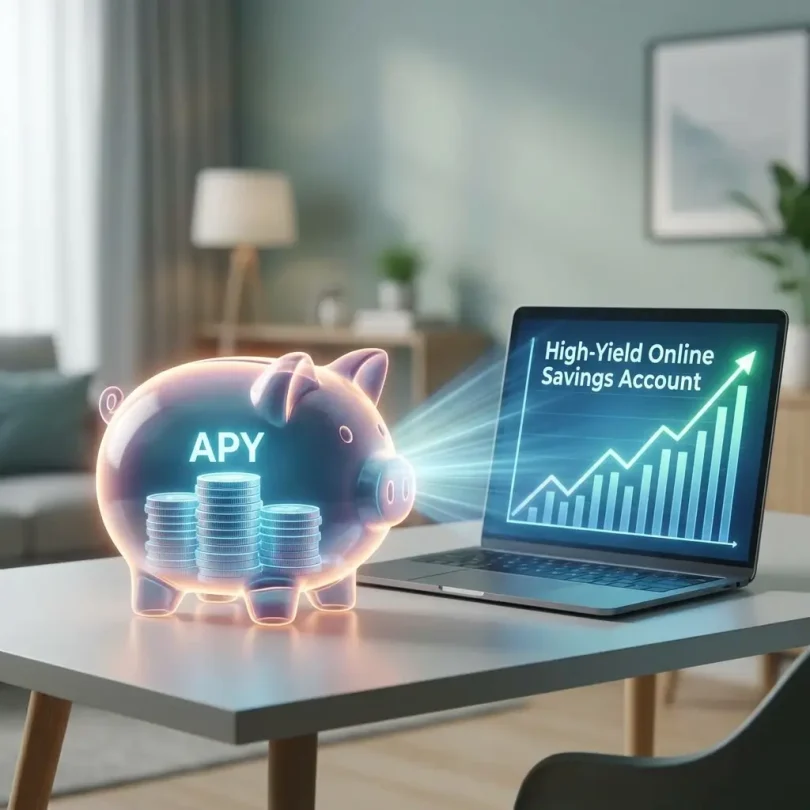
That is why high-yield online savings accounts are popular for emergency funds. They can help users earn more interest than many traditional savings accounts while still keeping money available for unexpected expenses.
An emergency fund is not for gambling, risky investing, luxury shopping, or daily spending. It is a cash reserve for real emergencies such as car repairs, home repairs, medical bills, job loss, urgent travel, temporary income disruption, or major unexpected bills.
The Consumer Financial Protection Bureau defines an emergency fund as a cash reserve specifically set aside for unplanned expenses or emergencies, such as car repairs, home repairs, medical bills, or loss of income.
A high-yield online savings account can be a good home for this money because it usually offers better APY than a basic savings account, while still keeping funds more accessible than CDs or long-term investments.
As of June 2026, high-yield savings account rates can reach up to about 5.00% APY in some cases, while the national average savings rate is much lower at around 0.38%, according to recent market comparisons.
But the highest APY is not always the best account.
For emergency savings, the best account should offer:
- Competitive APY
- No monthly fee
- FDIC or NCUA coverage
- Easy transfers
- Fast access to money
- Strong online security
- Clear account rules
- No confusing requirements
- Reliable customer support
- Good mobile app
- No risky lockup period
This guide compares the best high-yield online savings accounts for emergency funds, explains how to choose one, and shows how to build a safer emergency savings strategy.
Important Disclaimer
This article is for general informational purposes only. It is not banking, legal, tax, investment, accounting, cybersecurity, or professional advice.
High-yield savings account APYs, fees, minimum deposits, balance requirements, transfer limits, deposit insurance rules, eligibility, and account features can change. Always verify details directly with the bank, credit union, or provider before opening an account or depositing money.
What Is a High-Yield Online Savings Account?
A high-yield online savings account is a savings account that usually pays a higher APY than a traditional savings account.
It is often offered by:
- Online banks
- Digital banking divisions of large banks
- Credit unions
- Savings-focused institutions
- Banking platforms through partner banks
High-yield savings accounts are usually designed for storing money, not daily spending.
They may offer:
- Higher APY
- No monthly maintenance fee
- Online transfers
- Mobile app access
- Automatic savings tools
- Goal-based savings buckets
- FDIC or NCUA insurance
- Easy links to checking accounts
- Direct deposit support, depending on bank
- Mobile check deposit, depending on bank
The main benefit is simple: your emergency fund can earn more interest while staying relatively accessible.
Why Emergency Funds Need a Savings Account
Emergency money should not be in risky places.
It should not be locked in long-term investments. It should not be difficult to withdraw. It should not be mixed with everyday debit card spending. It should not be in an account with high fees.
A good emergency fund account should be:
- Safe
- Liquid
- Separate
- Easy to access
- Low-cost
- Insured
- Simple to manage
A high-yield savings account can meet these needs better than many alternatives.
Emergency Fund vs Investment Account
An emergency fund is not the same as an investment account.
Investment accounts can go up or down. Emergency funds should be more stable.
Emergency funds are for:
- Job loss
- Urgent medical costs
- Car repair
- Home repair
- Temporary income gap
- Emergency travel
- Unexpected essential expenses
Investment accounts are for:
- Long-term goals
- Retirement
- Wealth building
- Higher-risk growth
- Longer time horizons
Do not place emergency money where a market drop could reduce it right when you need it.
How Much Emergency Fund Should You Keep?
The right amount depends on your life.
A common target is three to six months of essential expenses, but not everyone can reach that immediately. Vanguard says the right amount is different for everyone and suggests considering at least half a month of expenses for spending shocks and three to six months of expenses for income shocks.
Start small if needed.
Good starting goals:
- First goal: $250
- Next goal: $500
- Next goal: $1,000
- Then one month of expenses
- Then three months of expenses
- Then six months of expenses
Even a small emergency fund can reduce stress and help avoid high-cost borrowing.
Best High-Yield Online Savings Accounts for Emergency Funds
Below are strong high-yield online savings accounts to compare. APYs and terms can change, so always check current official details before opening.
1. Ally Bank Online Savings Account
Best for: Goal-based emergency savings
Good for: Beginners, emergency fund builders, online banking users
Main strength: Savings buckets and easy online tools
Ally Bank is one of the most recognized online banks. Its Online Savings Account is popular because it combines no monthly maintenance fees with helpful savings tools.
Ally’s savings account supports savings buckets, which can help users divide emergency money into categories such as car repair, medical costs, rent backup, home repair, and job-loss reserve.
Ally says its online savings APY is variable, fees may reduce earnings, and there is no minimum opening deposit for its online savings account.
Key Features
- Online savings account
- No monthly maintenance fee
- No minimum opening deposit
- Savings buckets
- Automatic savings tools
- Mobile app
- Online transfers
- FDIC-insured bank
- Good for emergency fund organization
- Useful for beginners
Why Ally Is Good for Emergency Funds
Ally is strong because it makes emergency savings easier to organize. Instead of keeping all savings in one general balance, users can create goal buckets.
For example:
- $1,000 car repair bucket
- $2,000 medical emergency bucket
- $3,000 job loss bucket
- $500 home repair bucket
This helps users see what each dollar is for.
Best Fit
Ally may fit:
- Beginners
- Emergency fund builders
- Goal-based savers
- People who want no monthly fee
- Users who want a full online bank
- People who already use Ally checking
Possible Downsides
APY can change, like most savings accounts. Ally may not always offer the absolute highest rate, but it is strong for usability and savings organization.
2. SoFi Checking and Savings
Best for: Users wanting savings and checking together
Good for: Direct deposit users, mobile-first users, paycheck savers
Main strength: Combined checking and savings setup
SoFi Checking and Savings is a popular online banking option for users who want checking and savings in one app.
SoFi states that its Checking and Savings account has no account, service, or maintenance fees, while some transaction-related fees may apply.
Key Features
- Checking and savings together
- No monthly account fee
- Mobile banking app
- Direct deposit support
- Automatic savings tools
- Early paycheck access, where eligible
- Debit card
- FDIC coverage through SoFi Bank, N.A. and program-bank structures, depending on account details
- Savings vaults
- Good for paycheck-based savings
Why SoFi Is Good for Emergency Funds
SoFi can be useful if you want one app for both spending and saving. You can receive income, pay bills, move money into savings, and track progress from one dashboard.
This can be especially helpful for users who want to automate emergency fund transfers after payday.
Best Fit
SoFi may fit:
- Direct deposit users
- Mobile-first users
- People wanting checking and savings together
- Beginners
- Users who like one-app banking
- People wanting savings vaults
- Users building an emergency fund from paychecks
Possible Downsides
The highest APY may depend on qualifying activity such as direct deposit or eligible deposits. Always check current requirements before opening.
3. Marcus by Goldman Sachs High-Yield Online Savings
Best for: Simple savings-only emergency fund
Good for: Users who want savings separate from spending
Main strength: Clean, simple savings experience
Marcus by Goldman Sachs is a savings-focused online platform. It is often compared by users who want a simple high-yield savings account from a major institution.
Marcus can be good for emergency funds because it is separate from daily checking. This separation can reduce the temptation to spend emergency money.
Key Features
- High-yield online savings
- No monthly fee
- Online account access
- Transfers to linked accounts
- FDIC-insured bank
- Simple interface
- Savings-focused account
- Good for emergency funds
- No daily debit card spending distractions
Why Marcus Is Good for Emergency Funds
Many people fail to build emergency savings because the money sits too close to everyday spending.
Marcus helps create separation. If your daily checking is at another bank, your emergency fund becomes slightly less tempting to touch for non-emergencies.
Best Fit
Marcus may fit:
- Emergency fund users
- Savings-only users
- People who want separation from checking
- Users who prefer a known institution
- People who do not need debit card access to savings
Possible Downsides
Marcus may not be the best option if you want checking, debit card access, ATM use, or built-in budgeting tools inside the same account.
4. American Express High Yield Savings Account
Best for: Known-brand savings account
Good for: Emergency funds, short-term savings, simple online savings
Main strength: High-yield savings from a familiar brand
American Express National Bank offers a high-yield savings account that is commonly compared by users who want a savings account from a known brand.
It can be useful for people who want a simple emergency fund account separate from daily spending.
Key Features
- High-yield savings
- No monthly maintenance fee
- Online access
- Transfers to linked accounts
- FDIC-insured bank
- Known brand
- Good for emergency funds
- Simple account setup
Why American Express Is Good for Emergency Funds
American Express can work well for users who already trust the brand and want a straightforward savings account.
It is especially good for users who do not need checking from the same provider.
Best Fit
American Express High Yield Savings may fit:
- Emergency fund builders
- Savings-only users
- Brand-conscious users
- People wanting simple online savings
- Users who keep checking elsewhere
Possible Downsides
It may not offer the same checking account bundle or goal-based tools as some online banks.
5. Capital One 360 Performance Savings
Best for: Users wanting large-bank comfort with online savings
Good for: Capital One users, online savers, beginners
Main strength: Online savings from a major bank with broad digital tools
Capital One 360 Performance Savings is an online savings account from Capital One.
Capital One is attractive for users who want online savings but prefer a large bank brand. It can also work well if you already use Capital One checking, credit cards, or other products.
Key Features
- Online savings account
- No monthly fees on many savings products
- No balance minimums on many products
- Mobile app
- Online transfers
- FDIC-insured bank
- Large bank brand
- Digital banking tools
- Useful for emergency savings
Why Capital One 360 Is Good for Emergency Funds
Capital One gives users an online savings experience with the familiarity of a large bank.
It can be a good option for users who are not fully comfortable with smaller online banks.
Best Fit
Capital One 360 may fit:
- Beginners
- Capital One customers
- Large-bank users
- Online savers
- Emergency fund builders
- Users wanting a familiar brand
Possible Downsides
Users should check the exact product name and current APY before opening, because banks may have older and newer account versions with different rates.
6. Discover Online Savings Account
Best for: No-fee online savings
Good for: Simple savers, checking users, debit card users with Discover
Main strength: Simple online savings with no monthly fees
Discover Bank offers online savings and checking products. Its online savings account is often compared by users who want simple account rules and no monthly maintenance fee.
Key Features
- Online savings account
- No monthly maintenance fee
- Online transfers
- Mobile app
- FDIC-insured bank
- Simple digital account
- Good for emergency funds
- Can pair with Discover checking
Why Discover Is Good for Emergency Funds
Discover can be good if you want simple online banking and a savings account with clear rules.
It can also be convenient for users who already use Discover checking or credit products.
Best Fit
Discover may fit:
- Simple savers
- Emergency fund users
- No-fee account seekers
- Online banking users
- People wanting checking and savings at the same bank
Possible Downsides
Discover may not always have the highest APY compared with smaller rate-focused online banks.
7. Synchrony Bank High Yield Savings
Best for: Rate-focused emergency savings
Good for: Savers, emergency fund builders, CD users
Main strength: Competitive savings products and online access
Synchrony Bank is often compared for high-yield savings and CDs. It can be useful for users who want competitive savings rates and do not need a checking account from the same bank.
Key Features
- High-yield savings
- Online banking
- Mobile app
- FDIC-insured bank
- Savings-focused products
- CD options
- Potential ATM access features, depending on product
- Good for emergency fund storage
Why Synchrony Is Good for Emergency Funds
Synchrony is useful for users who want a savings-focused online bank and are comfortable keeping checking elsewhere.
It can also be useful if you want to compare CDs later for non-emergency savings.
Best Fit
Synchrony may fit:
- Rate-focused savers
- Emergency fund users
- Online savings users
- CD shoppers
- Users with checking at another bank
Possible Downsides
If you want a full everyday checking setup, Synchrony may not be your best all-in-one choice.
8. CIT Bank Platinum Savings or Savings Connect
Best for: Higher-balance savers and APY shoppers
Good for: Emergency fund users with larger balances
Main strength: Competitive APY opportunities
CIT Bank often appears in high-yield savings comparisons because it may offer competitive APYs. Bankrate’s June 2026 savings comparison lists CIT Bank among top savings-rate options.
CIT can be useful for users who compare rates regularly and want their emergency fund to earn more.
Key Features
- High-yield savings options
- Online banking
- Mobile app
- FDIC-insured bank
- Competitive APY opportunities
- Savings-focused products
- Useful for higher balances
- Online transfers
Why CIT Bank Is Good for Emergency Funds
CIT Bank may be attractive if you want a strong APY and you are comfortable reading account requirements carefully.
Some CIT savings products may have balance tiers or requirements, so users should compare details before depositing.
Best Fit
CIT may fit:
- APY shoppers
- Emergency fund users with larger balances
- Online savers
- Users who compare rates often
- People comfortable with account requirements
Possible Downsides
Some accounts may require minimum balances or specific conditions for the best rate. Always read the fine print.
9. Varo Savings Account
Best for: Users seeking top APY on smaller balances
Good for: Beginners, mobile-first users, smaller emergency fund builders
Main strength: High advertised APY potential on qualifying balances
Varo Bank is often mentioned in savings-rate comparisons because it may offer a high APY on eligible smaller balances when requirements are met. Recent comparisons showed Varo reaching up to 5.00% APY, often with balance and activity conditions.
Key Features
- Online savings account
- Mobile banking
- High APY opportunity on eligible balances
- No branch requirement
- FDIC-insured bank
- Automatic savings tools
- Good for smaller savings goals
- Checking account connection
Why Varo Is Good for Emergency Funds
Varo may be useful for users starting with a smaller emergency fund because some top-rate structures apply only up to a balance cap.
For example, a user building the first $1,000 to $5,000 of emergency savings may benefit if they meet qualifying rules.
Best Fit
Varo may fit:
- Beginners
- Smaller emergency fund builders
- Mobile-first users
- Users who meet qualifying activity
- People comfortable with digital banking
Possible Downsides
Top APY may only apply to limited balances and may require qualifying activity. Always verify current rate rules before opening.
10. Alliant Credit Union High-Rate Savings
Best for: Online credit union savings
Good for: Credit union users, online savers, ATM users with Alliant products
Main strength: Credit union model with online banking tools
Alliant Credit Union is a strong online credit union option. It offers savings and checking products with digital banking access.
Credit unions are insured differently than banks. Instead of FDIC insurance, federally insured credit unions use NCUA coverage.
Key Features
- Online savings
- Credit union model
- NCUA-insured deposits
- Mobile app
- Online transfers
- Checking account options
- ATM access through checking products
- Good digital banking tools
- Useful for users who like credit unions
Why Alliant Is Good for Emergency Funds
Alliant can work well for users who want a credit union-style relationship with online banking convenience.
It may also be useful if you want both checking and savings inside a credit union.
Best Fit
Alliant may fit:
- Credit union users
- Online savers
- Emergency fund builders
- Users who want checking and savings
- People comfortable with membership requirements
Possible Downsides
Membership requirements apply. Users should also understand that NCUA insurance is not the same as FDIC insurance, although both protect eligible deposits at insured institutions within applicable limits.
Quick Comparison Table
| Account | Best For | Main Strength | Best User Type |
|---|---|---|---|
| Ally Online Savings | Goal-based savings | Buckets and automation | Beginners |
| SoFi Checking and Savings | One-app banking | Checking plus savings | Direct deposit users |
| Marcus Savings | Savings separation | Simple savings-only setup | Emergency fund savers |
| American Express Savings | Known brand | Simple online savings | Brand-conscious users |
| Capital One 360 Savings | Large-bank comfort | Familiar digital bank | Beginners |
| Discover Online Savings | No-fee savings | Simple rules | Online savers |
| Synchrony High Yield Savings | Rate-focused savings | Savings and CD options | APY shoppers |
| CIT Bank Savings | Competitive APY | Rate opportunities | Larger balances |
| Varo Savings | Smaller-balance APY | High APY potential | New savers |
| Alliant Savings | Credit union option | NCUA coverage | Credit union users |
How to Choose a High-Yield Savings Account for Emergency Funds
1. Check FDIC or NCUA Coverage
Safety matters more than a tiny rate difference.
FDIC deposit insurance covers $250,000 per depositor, per FDIC-insured bank, for each ownership category.
For credit unions, look for NCUA coverage.
Do not assume every app is a bank. Some apps work with partner banks. Always check where your deposits are held.
2. Compare APY
APY stands for Annual Percentage Yield. It shows how much you can earn in a year, including compounding.
Compare:
- Current APY
- Whether APY is variable
- Balance tiers
- Required activity
- Minimum deposit
- Minimum balance
- Direct deposit requirements
- Promotional rate rules
Emergency savings should earn a good rate, but APY should not be the only factor.
3. Avoid Monthly Fees
A monthly fee can reduce the benefit of interest.
Look for:
- No monthly maintenance fee
- No minimum balance fee
- No inactivity fee
- No hidden platform fee
- No confusing waiver rules
For emergency funds, simple no-fee accounts are usually best.
4. Check Access Speed
Emergency money must be accessible.
Ask:
- How long do transfers take?
- Can I transfer to checking quickly?
- Is same-day transfer available?
- Are there transfer limits?
- Can I withdraw from ATM?
- Can I move money on weekends?
- Is customer support available during urgent situations?
A very high APY is less useful if access is slow.
5. Check Transfer Limits
Savings accounts may have withdrawal or transfer limits.
Check:
- Daily transfer limit
- Monthly transfer limit
- External transfer limit
- ACH limit
- Wire option
- Linked account rules
- Hold periods
Emergency funds should not be trapped by low limits.
6. Check Account Minimums
Some high-yield accounts require:
- Minimum opening deposit
- Minimum balance to earn APY
- Minimum balance to avoid fees
- Higher balance for top APY
Choose an account that matches your current savings level.
7. Check Mobile App Quality
Your bank app should make emergency access easy.
Look for:
- Balance view
- Transfer tools
- Alerts
- Mobile check deposit
- Secure login
- Two-factor authentication
- External bank linking
- Customer support messages
- Debit card controls, if checking is included
8. Check Customer Support
If an emergency happens, support matters.
Check:
- Phone support
- Chat support
- Secure message support
- Weekend support
- Support hours
- Fraud support
- Account lock help
- Transfer help
9. Keep Emergency Savings Separate
Do not keep emergency money in the same account you use for daily debit card spending.
Separation helps prevent:
- Overspending
- Accidental use
- Fraud exposure
- Confusion
- Poor budgeting
10. Avoid Risky “Savings” Alternatives
Avoid placing emergency money in:
- Stocks
- Crypto
- Long-term bonds
- Locked CDs
- Uninsured apps
- Risky investment products
- Accounts you cannot access quickly
Emergency money should be boring, safe, and available.
Best Account by Emergency Fund Type
Best for First $1,000 Emergency Fund
Good options:
- Varo
- SoFi
- Ally
- Discover
- Capital One 360
Focus on no monthly fees and easy access.
Best for 3-Month Emergency Fund
Good options:
- Ally
- Marcus
- American Express
- Capital One 360
- Discover
Focus on FDIC coverage, APY, simplicity, and transfer speed.
Best for 6-Month Emergency Fund
Good options:
- Ally
- CIT Bank
- Synchrony
- Marcus
- American Express
- Alliant
Focus on rate, safety, and account limits.
Best for Emergency Fund Plus Checking
Good options:
- SoFi
- Ally
- Capital One 360
- Discover
- Alliant
Focus on transfer speed between checking and savings.
Best for Emergency Fund Separation
Good options:
- Marcus
- American Express
- Synchrony
- CIT Bank
Focus on keeping emergency money away from daily spending.
Emergency Fund Strategy
Step 1: Calculate Essential Monthly Expenses
Include:
- Rent or mortgage
- Utilities
- Groceries
- Insurance
- Transportation
- Minimum debt payments
- Childcare
- Medication
- Internet and phone
- Essential business costs, if self-employed
Do not include luxury spending in your emergency target.
Step 2: Set a Starter Goal
Start with:
- $250
- $500
- $1,000
A small emergency fund is better than no emergency fund.
Step 3: Automate Savings
Set automatic transfers after payday.
Even small automatic transfers help:
- $10 per week
- $25 per week
- $50 per paycheck
- 5% of income
- Round-up savings
Consistency matters more than perfection.
Step 4: Keep It Separate
Use a separate savings account so you do not spend emergency money accidentally.
Step 5: Review Every 3 Months
Review:
- APY
- Account fees
- Balance goal
- Emergency expenses
- Bank access
- Security settings
Step 6: Refill After Use
If you use emergency savings, rebuild it as soon as possible.
What Counts as an Emergency?
Good reasons to use emergency funds:
- Job loss
- Urgent medical bill
- Car repair needed for work
- Home repair
- Emergency travel
- Temporary income gap
- Necessary appliance replacement
- Family emergency
- Insurance deductible
- Unexpected essential bill
Bad reasons to use emergency funds:
- New phone upgrade
- Vacation
- Shopping sale
- Non-urgent luxury purchase
- Risky investment
- Holiday spending
- Entertainment
- Buying something because of pressure
Emergency funds should protect stability.
High-Yield Savings vs Money Market Account
Both can be useful.
High-Yield Savings Account
Best for:
- Emergency funds
- Simple saving
- Higher APY
- Online transfers
- Low fees
Money Market Account
Best for:
- Users needing check-writing
- Users wanting debit access
- Larger balances
- More flexible withdrawal options
Money market accounts may offer check-writing or debit access, but may also have minimum balance rules. Recent June 2026 comparisons show some money market accounts offering competitive APYs, but users should review requirements carefully.
For most emergency funds, a high-yield savings account is simpler.
High-Yield Savings vs CD
A CD can pay a fixed rate for a set term, but emergency money should stay accessible.
High-Yield Savings
Pros:
- Flexible access
- Good for emergencies
- Easy transfers
- No maturity date
- Rate can rise or fall
Cons:
- APY is variable
- Rate may drop
CD
Pros:
- Fixed rate
- Predictable return
- Good for planned savings
Cons:
- Early withdrawal penalties
- Money may be locked
- Less flexible for emergencies
For emergency funds, high-yield savings is usually better than CDs because access matters.
Online Savings Security Tips
Use Strong Passwords
Use a unique password for your savings account.
Enable Two-Factor Authentication
Turn on 2FA or passkeys if available.
Secure Your Email
Your email can reset bank passwords. Protect it carefully.
Turn On Alerts
Use alerts for:
- Transfers
- New device login
- Password changes
- External account changes
- Large withdrawals
- Low balance
Avoid Public Wi-Fi
Do not access bank accounts on public Wi-Fi.
Use Official Apps
Download bank apps only from official app stores.
Review Linked Accounts
Remove old linked accounts you no longer use.
Keep Devices Updated
Update your phone, browser, and bank app.
Common Mistakes With Emergency Savings
Mistake 1: Chasing the Highest APY Only
A high APY does not matter if the account has difficult rules or poor access.
Mistake 2: Ignoring Deposit Insurance
Always verify FDIC or NCUA coverage.
Mistake 3: Keeping Emergency Money in Checking
Checking is too easy to spend.
Mistake 4: Using CDs for All Emergency Money
CDs may lock money or charge penalties.
Mistake 5: Not Reading Requirements
Some high APYs require direct deposit, card use, or balance limits.
Mistake 6: Keeping Too Little Cash
A $100 emergency fund is a start, but most people should build more over time.
Mistake 7: Saving Without a Goal
Know your emergency fund target.
Mistake 8: Using Emergency Fund for Non-Emergencies
Do not spend it on lifestyle upgrades.
Mistake 9: Forgetting to Refill It
If used, rebuild it.
Mistake 10: Not Comparing Rates
Review your account every few months.
Emergency Fund Account Opening Checklist
Before opening, check:
- Is the institution FDIC or NCUA insured?
- What is the current APY?
- Is APY variable?
- Are there monthly fees?
- Is there a minimum deposit?
- Is there a minimum balance?
- Are there balance tiers?
- Is direct deposit required?
- Are there withdrawal limits?
- How fast are transfers?
- Can you link external checking?
- Is the mobile app good?
- Does it support alerts?
- Is 2FA available?
- Is customer support reliable?
- Are there account closure fees?
- Are there promotional rules?
- Are there inactivity fees?
- Does the rate apply to your full balance?
Final Verdict: What Are the Best High-Yield Online Savings Accounts?
The best high-yield online savings account for an emergency fund depends on your needs.
For most users:
- Best goal-based emergency savings: Ally Bank
- Best checking plus savings setup: SoFi
- Best savings-only separation: Marcus
- Best known-brand savings: American Express High Yield Savings
- Best large-bank comfort: Capital One 360 Performance Savings
- Best simple no-fee savings: Discover Online Savings
- Best rate-focused savings: Synchrony Bank
- Best APY shopper option: CIT Bank
- Best smaller-balance APY potential: Varo
- Best online credit union option: Alliant Credit Union
If you want easy organization, choose Ally. If you want checking and savings together, compare SoFi, Capital One 360, Discover, or Alliant. If you want emergency money separate from daily spending, compare Marcus, American Express, Synchrony, or CIT. If you are starting with a smaller balance and can meet requirements, compare Varo.
The best emergency fund account is not only the one with the highest APY. It is the account that keeps your money safe, easy to access, insured, separate from daily spending, and free from unnecessary fees.
FAQs About High-Yield Online Savings Accounts
What is a high-yield online savings account?
A high-yield online savings account is a savings account that usually pays a higher APY than a traditional savings account and is mainly managed through a website or mobile app.
Are high-yield savings accounts good for emergency funds?
Yes. They are often good for emergency funds because they can offer better APY while keeping money accessible for unexpected expenses.
How much should I keep in an emergency fund?
A common goal is three to six months of essential expenses, but beginners can start with $250, $500, or $1,000. Vanguard suggests considering at least half a month of expenses for spending shocks and three to six months for income shocks.
Are high-yield savings accounts safe?
They can be safe when held at FDIC-insured banks or NCUA-insured credit unions within applicable limits. FDIC insurance covers $250,000 per depositor, per insured bank, per ownership category.
Can high-yield savings APY change?
Yes. Most high-yield savings account APYs are variable and can change at any time.
Which online savings account has the highest APY?
Top APYs change frequently. As of June 2026, some high-yield savings accounts were reaching up to about 5.00% APY, according to recent comparisons.
Is Ally good for emergency savings?
Ally is good for emergency savings because it offers online savings tools such as buckets and has no minimum opening deposit on its online savings account.
Is SoFi good for emergency savings?
SoFi can be useful for users who want checking and savings together in one app, especially if they use direct deposit and automatic savings tools.
Should I keep emergency savings in checking?
Usually no. Checking is better for daily spending. Emergency money is often safer in a separate savings account.
Should I use a CD for emergency funds?
CDs can be useful for planned savings, but they may charge early withdrawal penalties. Emergency money usually needs easier access.
How often should I compare savings rates?
Review your savings APY every few months. Rates can change based on market conditions and bank policies.
Can I have more than one emergency fund account?
Yes. Some users keep part of the emergency fund at their main bank for fast access and the rest in a high-yield online savings account.